As Tenant Satisfaction Measures move into their second full reporting cycle, their role in the social housing sector is becoming clearer. TSMs are no longer just a reporting requirement. They are increasingly part of how landlords understand service performance, resident experience and regulatory risk.
For most providers, the priority now is not simply collecting the data, but using it to understand what sits behind the results and where improvement is needed.
1. TSMs are now an established part of the regulatory landscape
The Regulator of Social Housing requires registered providers to collect and report against 22 Tenant Satisfaction Measures covering areas including repairs, complaints handling, building safety and neighbourhood management. For landlords with 1,000 or more homes, tenant perception surveys must be carried out annually, with results submitted to the Regulator and published in line with requirements.
By 2025/26, most providers are beyond first-time reporting. The focus is now on maintaining data quality, applying survey requirements consistently, and making sure TSM performance is feeding into board reporting, assurance and service improvement. The Regulator is clear that TSMs are used alongside other evidence, not in isolation.
2. Second year results show modest movement, but familiar pressure points remain
The Regulator’s latest analysis of large landlords’ 2024/25 TSM results shows some improvement in parts of the picture, but also points to persistent weaker areas, especially around complaint handling. It also shows variation in areas such as neighbourhood and anti-social behaviour measures, and lower satisfaction in low-cost home ownership results.
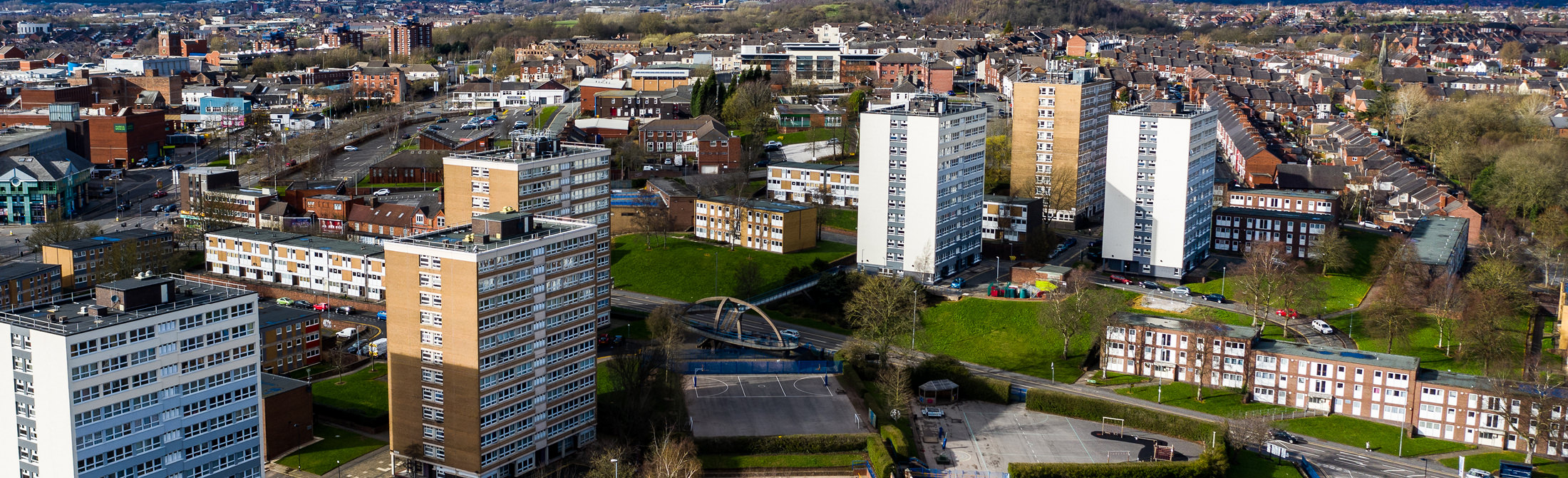
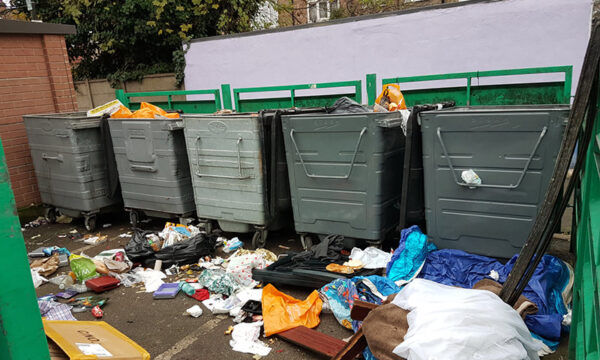
For landlords, that matters because recurring weak scores are often a sign that dissatisfaction is being shaped by more than a single service transaction. In many cases, issues around communal areas, waste, cleanliness, fly-tipping or anti-social behaviour can influence how residents experience their home and neighbourhood overall.
That makes it important to look beyond headline scores. TSMs are most useful when landlords connect them with complaint trends, estate inspections, property condition intelligence and local operational realities. That is often where the clearest priorities for action emerge.
3. TSMs now sit within wider consumer regulation and scrutiny
TSMs are part of a wider regulatory framework that has been strengthened by the Social Housing (Regulation) Act 2023.
Since 1 April 2024, the Regulator has had a stronger and more proactive consumer regulation role, and uses TSMs as one source of intelligence in assessing whether landlords are meeting the outcomes of the consumer standards.
That means TSMs now have a more direct link to governance, assurance and risk. They are not simply an annual reporting exercise. They help boards and executive teams understand where resident experience, service performance and compliance may be drifting apart.
Bottom line
In 2025/26, Tenant Satisfaction Measures are firmly embedded in how social housing performance is understood and scrutinised. Landlords that treat them as an ongoing source of operational and resident insight, rather than a once-a-year compliance task, will be in a stronger position to improve services and respond to regulatory expectations.
Next step: linking TSM insight to estate reality
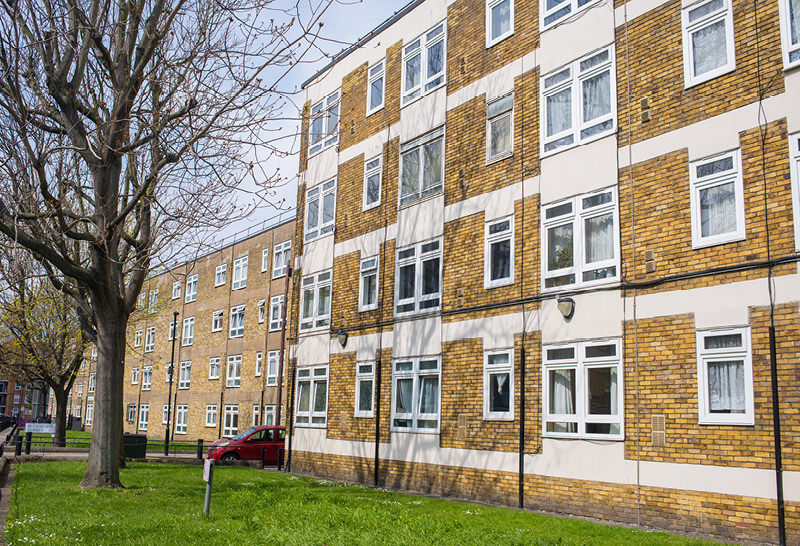
Many of the issues reflected in TSM results, including repeat complaints, dissatisfaction with neighbourhoods and concerns about anti-social behaviour, are influenced by the day-to-day condition and management of estates and communal spaces.
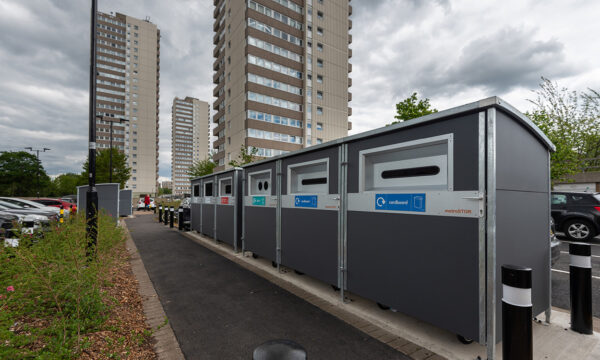
For landlords reviewing 2024/25 results and planning ahead for 2025/26, the next step is to connect TSM findings with what is happening on the ground – especially where waste storage, communal layout, maintenance pressures or repeated environmental issues may be shaping resident experience.Further guidance on how waste and communal infrastructure is evolving to meet resident needs is available here.