Hackney’s FLASH food waste trial showed how controlled access can stop contamination
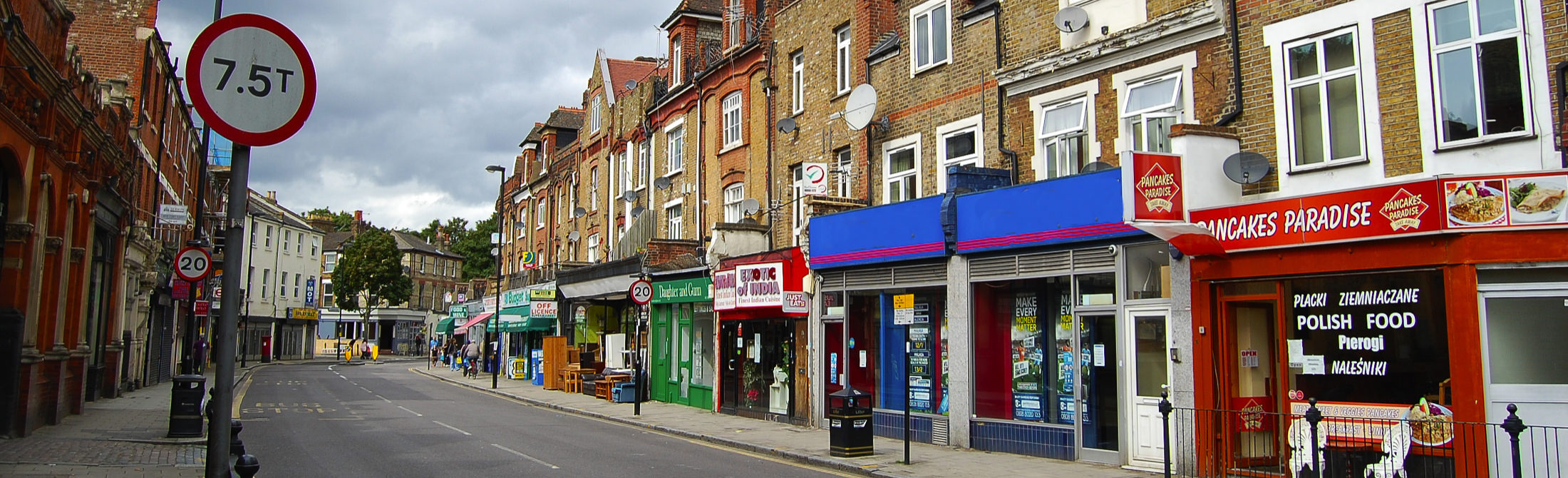
Hackney’s trial for flats above shops tested a difficult service model in a difficult setting: 511 properties, six high streets, tight pavements, mixed street activity, and residents who had not previously had a dedicated food waste service.
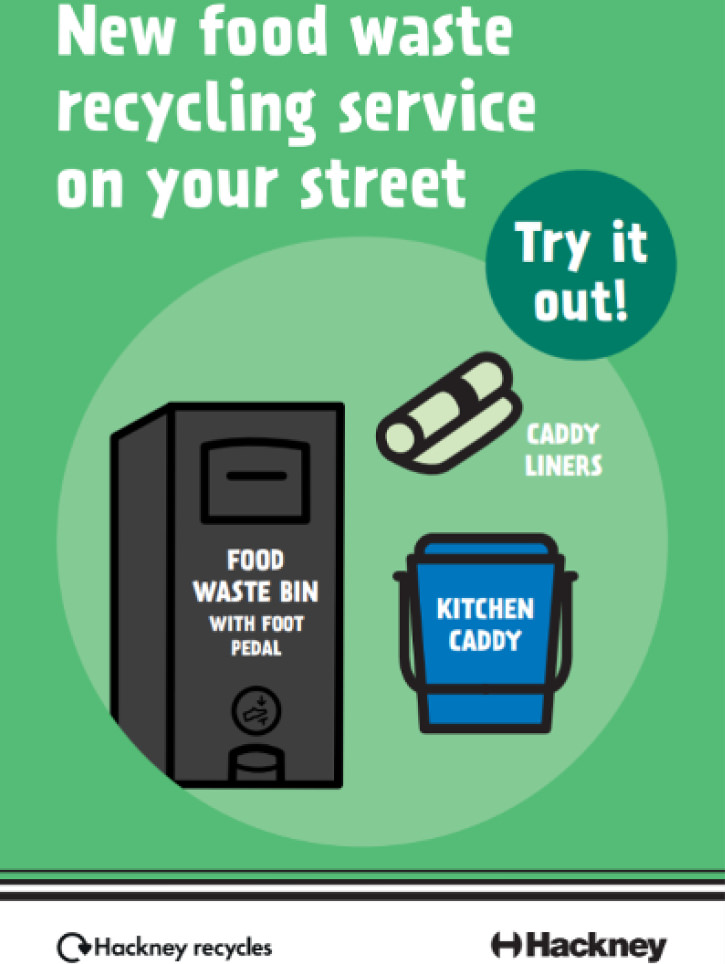
The borough trialled several on-street communal units, including open-access products from other suppliers.
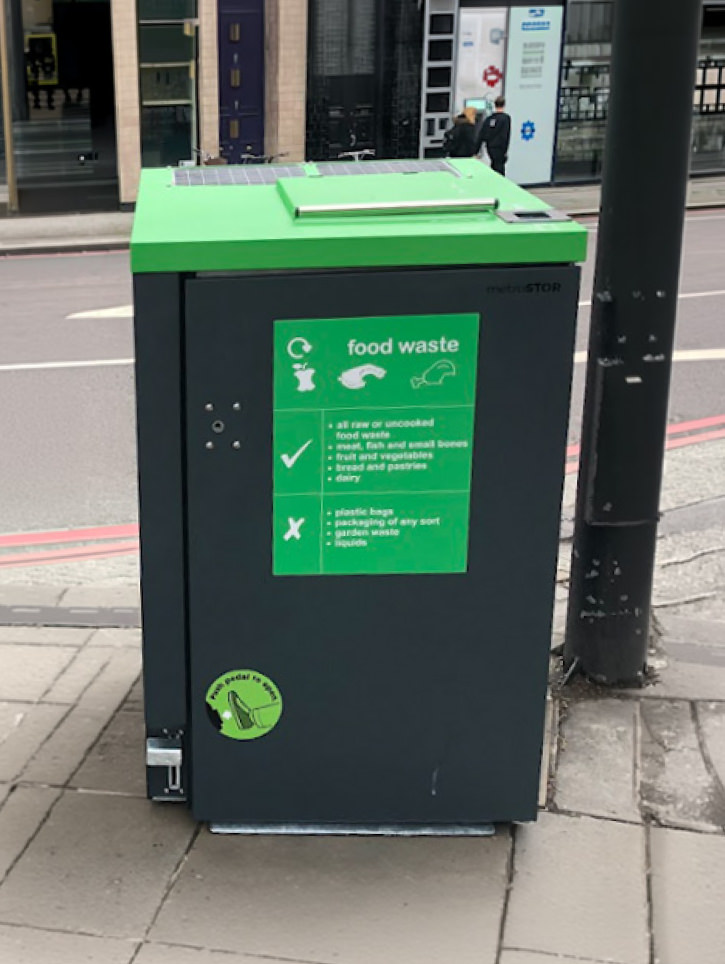
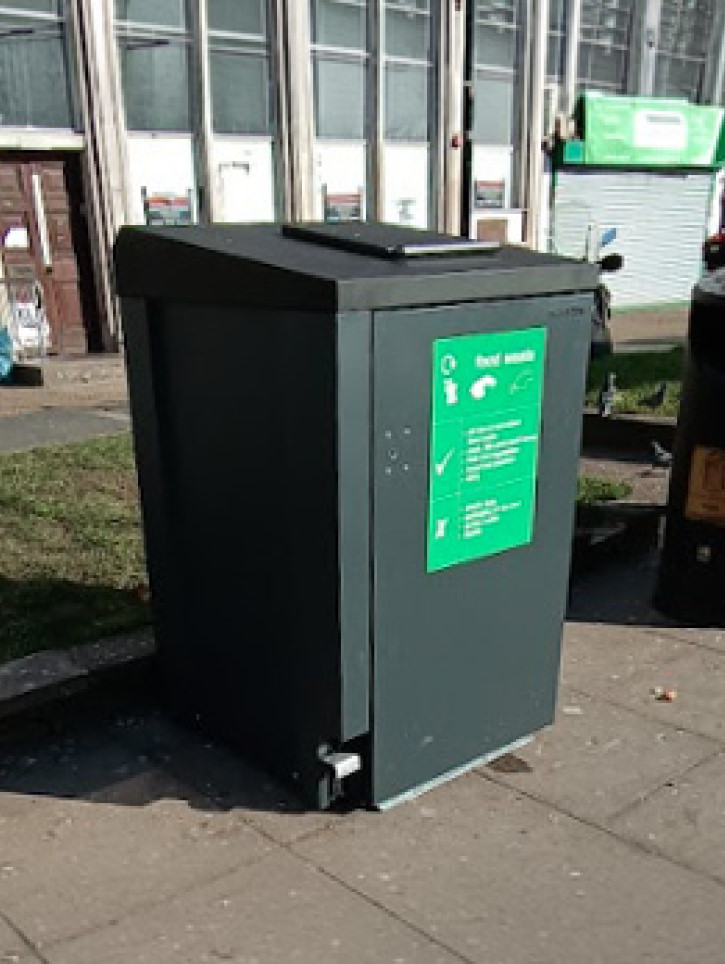
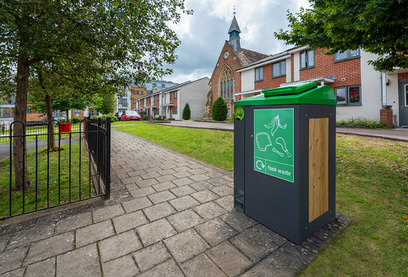
Only metroSTOR provided the locked option, installed later at Old Street.
Across the pilot, that difference stood out in terms of clean material.
Open access collected food waste, but contamination remained a persistent issue
The wider trial proved that food waste collection for FLASH properties was possible. Hackney collected 2.3 tonnes over the initial three-month period, with low overall dumping and strong willingness to participate among residents reached through door-knocking. But contamination appeared at every open-access site. Common problems included plastic bags, coffee cups, and general litter, and Wilton Way saw two rejected loads because contamination exceeded the accepted threshold.
This confirms that the challenge in this kind of setting is protecting the quality of the stream in a public, mixed-use environment where bins can be used by passers-by, nearby businesses, or residents who were never part of the original engagement.
The locked unit was the only one with zero contamination and zero side waste
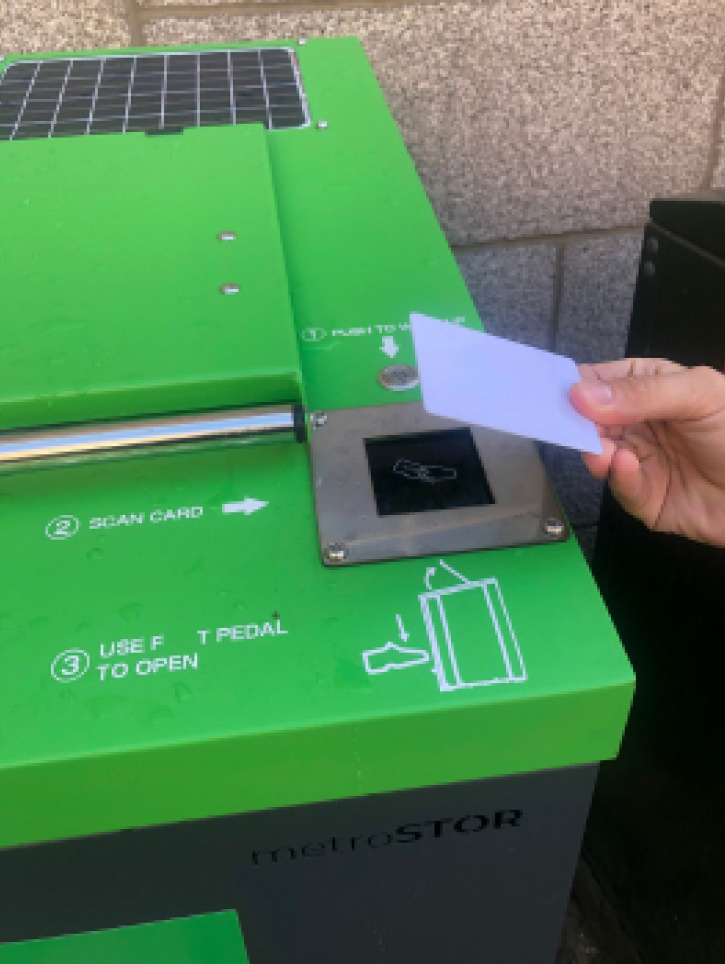
The metroSTOR unit at Old Street was the only lockable bin in the trial, using key-card access. According to Hackney’s monitoring, it recorded no contamination and no dumping around the unit. In a pilot where all other sites experienced some level of contamination and most recorded at least some side waste, that made the locked metroSTOR installation the clearest example of clean material capture in the trial.
As Lucy Simler put it, “Lockable bins proved effective in preventing contamination.”
Hackney’s stated preference for future rollout was also for lockable units, whether keypad- or fob-operated, reflecting what the trial showed in practice.
Cleaner material usually means lower volume initially
Collection volume at Old Street was approximately 20% below the trial average. That should be understood in context. If a locked bin prevents non-target material from being deposited, total tonnage will fall by definition because contamination and side waste are no longer inflating the volume. In that sense, lower tonnage is not necessarily a sign of weaker performance.
At the same time, other factors may also have contributed at Old Street, including lower contact rates, harder-to-access properties, and lower resident awareness or engagement. What is clear is that the locked metroSTOR unit delivered clean food waste with zero contamination and zero side waste.
For Boroughs planning food waste services for flats above shops, that is likely to be a worthwhile trade-off: a slightly lower volume, but a much cleaner stream and a more controlled site.
Why this matters for other boroughs
Hackney’s trial showed that food waste collections for flats above shops are operationally possible, but infrastructure choice changes the quality of the outcome.
Open-access units helped test demand, but the locked metroSTOR bin was the only one to combine food waste capture with zero contamination and zero side waste.
For councils trying to extend organics services into dense, hard-to-serve streets, that makes secure access a practical tool for protecting the stream, keeping sites cleaner, and creating a more workable model for wider rollout.
Introduction
Hear from Lucy Simler, Recycling Officer at the London Borough of Hackney, from 25 minutes into this webinar. Lucy presents Hackney’s award-worthy FLASH food waste recycling trial, covering resident engagement, bin infrastructure, contamination management and service performance across 511 flats above shops. The session offers practical insights and real-world lessons for local authorities looking to improve recycling rates in hard-to-reach housing types.
This file is currently not available for download.
Get a Quote - metroSTOR UK
We use cookies to ensure that we give you the best experience on our website. If you continue to use this site we will assume that you are happy with it.
To provide the best experiences, we use technologies like cookies to store and/or access device information. Consenting to these technologies will allow us to process data such as browsing behavior or unique IDs on this site. Not consenting or withdrawing consent, may adversely affect certain features and functions.
Functional
Always active
This enables us to personalize our content for you, greet you by name and remember your preferences
Preferences
The technical storage or access necessary for the legitimate purpose of storing preferences that are not requested by the subscriber or user.
Analytical/performance cookies
They help us track visitor numbers and understand how users navigate our site, allowing us to improve its functionality and ensure users find what they need easily.The technical storage or access that is used exclusively for anonymous statistical purposes. Without a subpoena, voluntary compliance on the part of your Internet Service Provider, or additional records from a third party, information stored or retrieved for this purpose alone cannot usually be used to identify you.
Marketing
The technical storage or access is required to create user profiles to send advertising, or to track the user on a website or across several websites for similar marketing purposes.