The Galsworthy House chute closure pilot had a significant impact on safety and recycling performance.
Recycling rate more than doubled overall
Dry mixed recycling capture increased by 72%
General waste fell by 57.23 kg per week as residents shifted to recycling
Food waste recycling launched, delivering 26.25 kg per week
£51,683 in financial benefit, including avoided £55,000 chute repair
Chute fire risk, noise and maintenance issues fully removed
Strong local backing, with 78% of respondents supporting the proposal
What was the challenge?
Galsworthy House is a 16-home estate historically reliant on waste chutes and communal bulk bins. The system presented increasing issues for residents and the council, including:
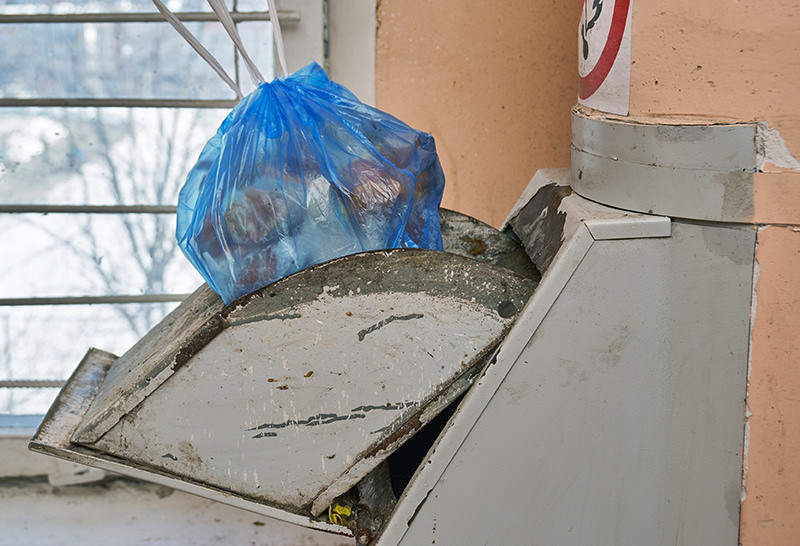
Blocked chutes requiring regular clearance and repairs, including an urgent £55,000 maintenance liability
Fire risk, as chutes act like chimneys and can spread smoke to escape routes
Low recycling performance, consistent with the 10.7% average achieved by communal bin properties in London
High contamination, aligned with the borough-wide estates average of 30.7%
No food waste recycling, despite borough ambitions to expand organics
Poor resident experience, with noise, vermin issues and dumping in chute rooms
The council wanted a pilot that would resolve operational risks and demonstrate how improved infrastructure could unlock higher recycling rates.
What was the solution?
RBKC’s Waste Action Team, Housing Management and Fire Safety created a joint project group to deliver a model intervention:
Chute closure, eliminating fire and maintenance risks
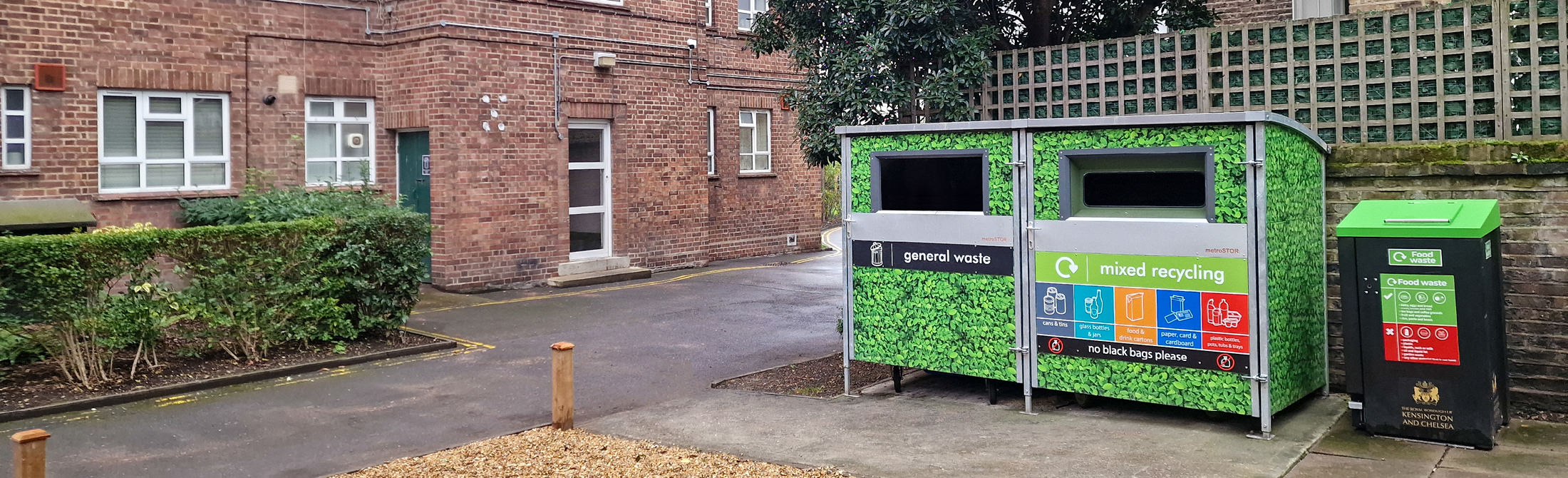
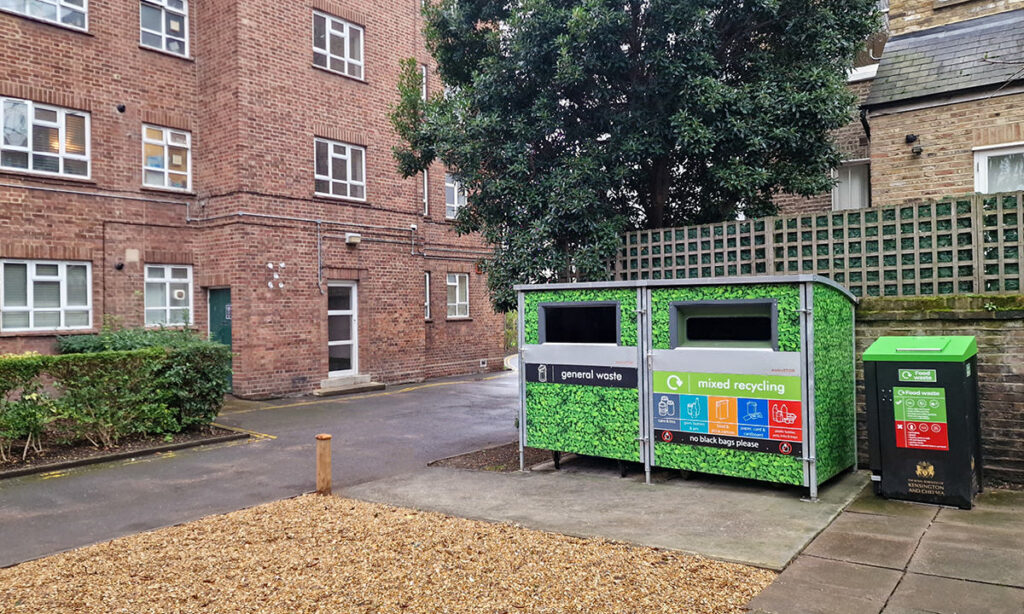
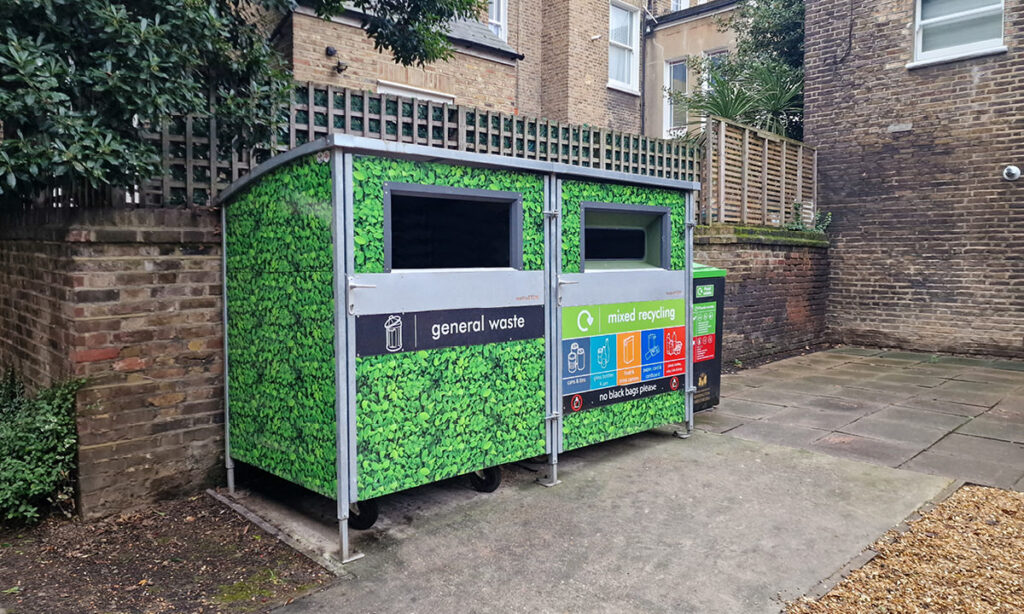
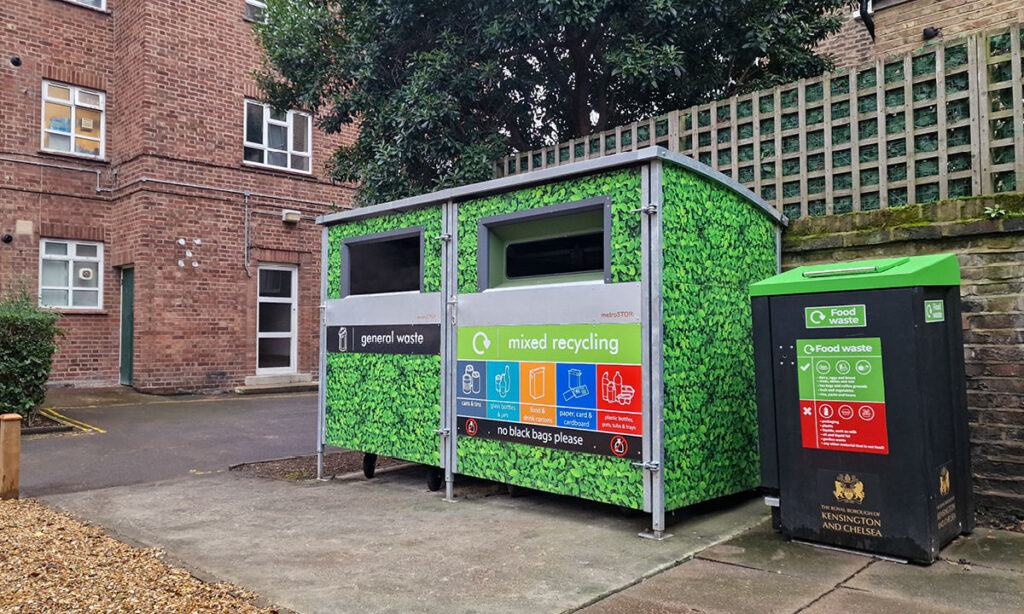
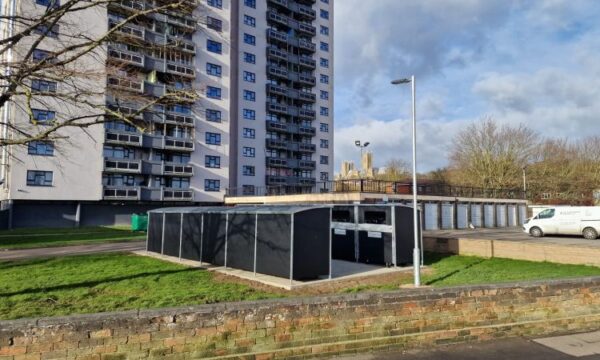
New external waste and recycling area designed to make recycling as easy as throwing away rubbish
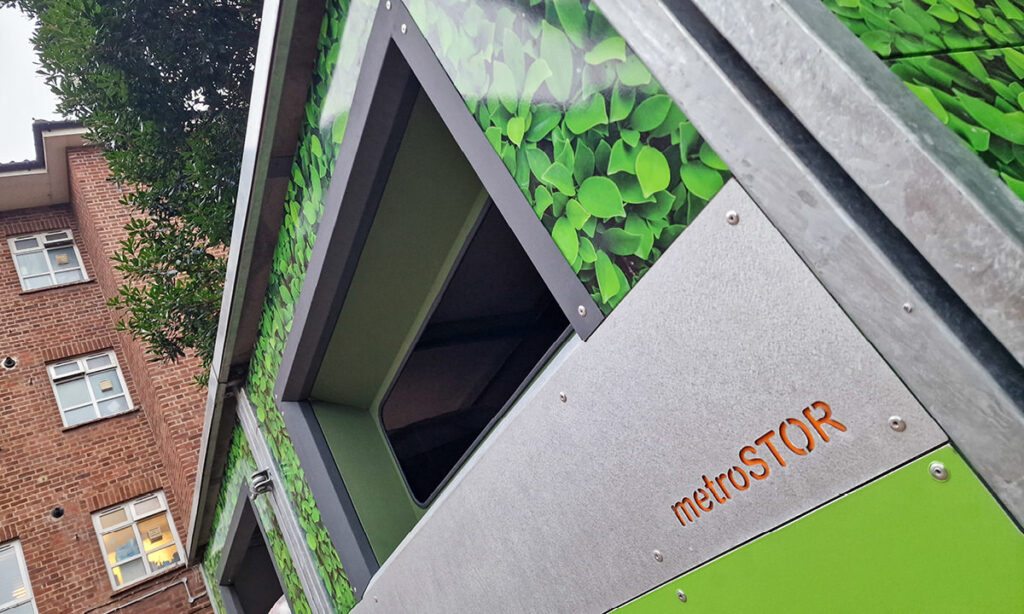
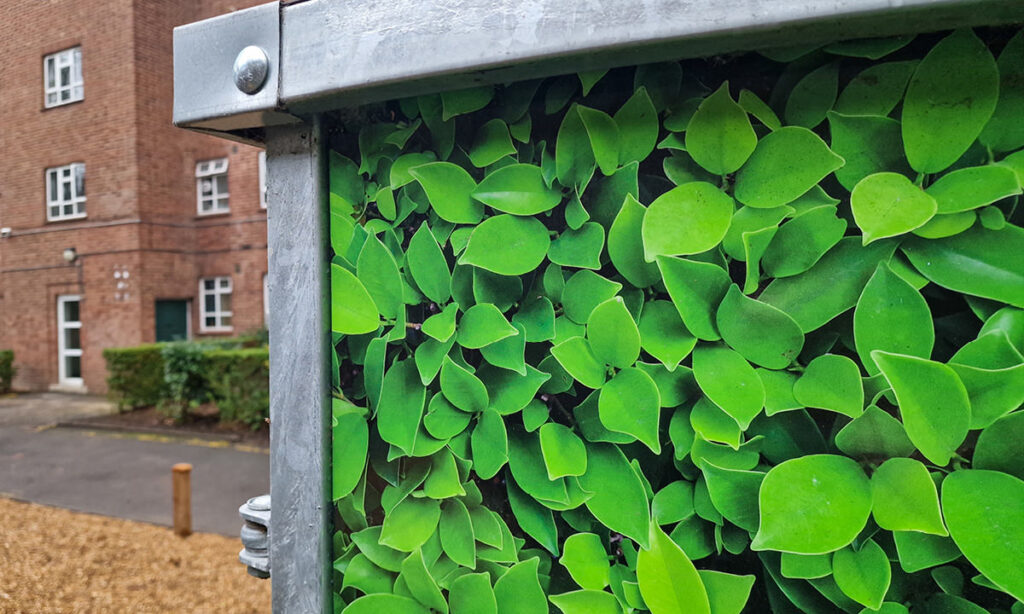
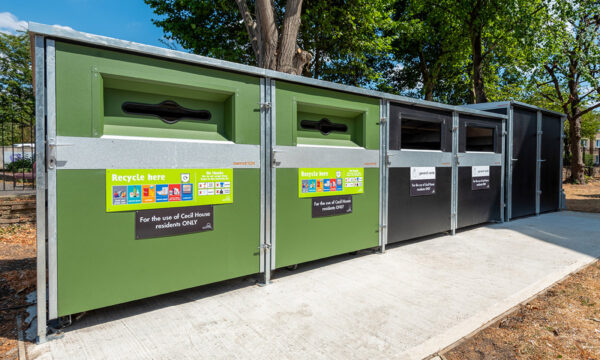
BS 476-3 certified metroSTOR non-combustible bin housings
Dedicated bins for general waste, mixed recycling and food waste with clear visual communication
Groundworks to level the area and create safe access for crews
Resident engagement, including consultation on preferred locations and door-knocking on installation day with caddy distribution
78% of responding households supported the project and locations were chosen following resident feedback.
What were the results?
The impact of the new system was immediate and measurable.
Recycling performance
Dry mixed recycling capture increased by 72%
Overall recycling rate (including food waste) increased from 11% to 27%
Mixed recycling tonnage increased by 12.93 kg per week
Food waste recycling launched, yielding 26.25 kg per week
Waste reduction
General waste reduced by 57.23 kg per week
Cost saving
Annual disposal savings of £408 per year
Ongoing chute maintenance savings of £1,275 per year
Avoided repair cost of £55,000, which would otherwise have fallen to leaseholders
Total estimated financial benefit: £51,683
Why metroSTOR?
The only viable location for the new waste and recycling area at Galsworthy House fell within six metres of the building. At this distance, councils must use non-combustible, fire-tested enclosures under national fire safety rules that restrict where unprotected bins can be placed.
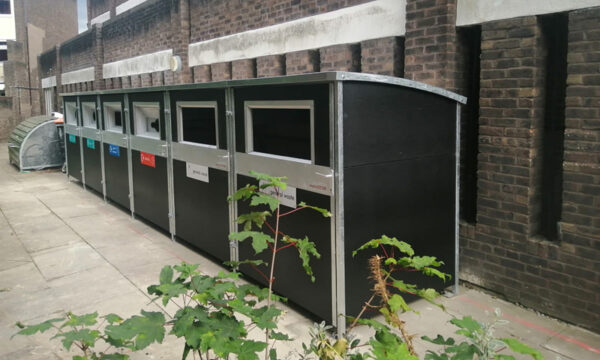
metroSTOR supplied BS 476-3 certified steel units that satisfied these requirements, including a dedicated fire-safe unit for food waste. metroSTOR’s secure, stream-specific apertures help to limit contamination, while clear separation of materials makes correct use intuitive for residents. The durability of the units provides a long-term solution and a model that can be replicated across other constrained estate locations.
What did the project achieve?
The project removed the fire risk associated with rubbish chutes and eliminated the noise and ongoing maintenance costs of unblocking them. It introduced convenient and accessible recycling and food waste services, which led to a marked improvement in recycling performance and a notable reduction in contamination. Resident experience improved as waste areas became cleaner and easier to use, and the pilot has provided the borough with a scalable model that can be applied across other estates.
Next steps for RBKC
The evaluation recommends a structured programme to replicate this approach across more estates, supported by a dedicated team. metroSTOR fire-safe bin housings would play a key role where bins must be sited close to buildings. The pilot demonstrates that infrastructure improvements can significantly improve recycling outcomes while reducing long-term costs and safety risks.
This file is currently not available for download.
Get a Quote - metroSTOR UK
We use cookies to ensure that we give you the best experience on our website. If you continue to use this site we will assume that you are happy with it.
To provide the best experiences, we use technologies like cookies to store and/or access device information. Consenting to these technologies will allow us to process data such as browsing behavior or unique IDs on this site. Not consenting or withdrawing consent, may adversely affect certain features and functions.
Functional
Always active
This enables us to personalize our content for you, greet you by name and remember your preferences
Preferences
The technical storage or access necessary for the legitimate purpose of storing preferences that are not requested by the subscriber or user.
Analytical/performance cookies
They help us track visitor numbers and understand how users navigate our site, allowing us to improve its functionality and ensure users find what they need easily.The technical storage or access that is used exclusively for anonymous statistical purposes. Without a subpoena, voluntary compliance on the part of your Internet Service Provider, or additional records from a third party, information stored or retrieved for this purpose alone cannot usually be used to identify you.
Marketing
The technical storage or access is required to create user profiles to send advertising, or to track the user on a website or across several websites for similar marketing purposes.